
Understanding the Meanings of Tarot Cards
There is a quiet magic in the shuffle of tarot cards, a whisper of stories waiting to be told. When you first hold a deck, it might feel like a puzzle, a secret language wrapped in symbols and colours. But as you lean in, as you breathe with the cards, you begin to sense their gentle guidance. Each card is a mirror, reflecting parts of your journey, your hopes, your fears. Today, I want to walk with you through the meanings of tarot cards, inviting you to explore their depths with curiosity and kindness.
The Heartbeat of Tarot: Meanings of Tarot Cards
Tarot cards are more than just images on paper. They are a bridge between the conscious and the unconscious, a tool to tap into intuition and insight. Each card carries a unique vibration, a story that can unfold differently depending on the question you ask or the moment you are in.
When I first started learning tarot, I found it helpful to think of the cards as characters in a grand play. The Fool, for example, is the eternal wanderer, stepping into the unknown with open arms and a trusting heart. The Empress embodies nurturing and creativity, a reminder to honour the fertile ground within ourselves.
To truly understand the meanings of tarot cards, it helps to connect with the imagery and symbolism. Notice the colours, the gestures, the animals, and the elements. They are all part of the language the cards speak. And remember, there is no rush. Let the cards reveal their stories to you in their own time.
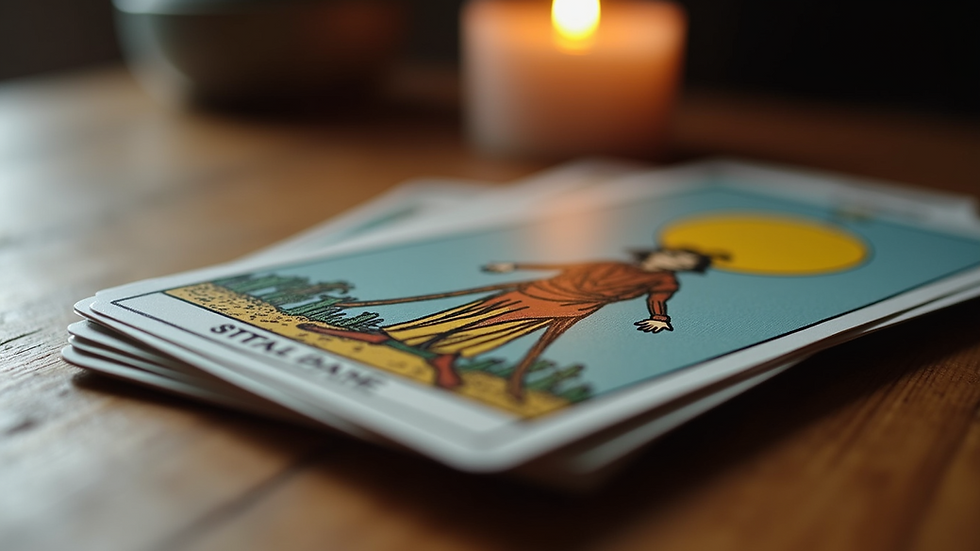
The Dance of the Major and Minor Arcana
A tarot deck is divided into two main parts: the Major Arcana and the Minor Arcana. The Major Arcana consists of 22 cards, each representing significant life themes and spiritual lessons. These cards often appear during moments of transformation or deep insight.
The Minor Arcana, on the other hand, contains 56 cards divided into four suits: Cups, Pentacles, Swords, and Wands. Each suit reflects different aspects of life:
Cups: Emotions, relationships, and intuition
Pentacles: Material world, career, and physical health
Swords: Thoughts, challenges, and communication
Wands: Creativity, passion, and action
Within each suit, cards range from Ace to Ten, plus four court cards: Page, Knight, Queen, and King. These cards tell stories of everyday experiences, the ebb and flow of our daily lives.
By observing how Major and Minor Arcana cards interact in a reading, you can gain a richer understanding of your path. For example, a Major Arcana card like The Tower might signal a sudden upheaval, while a Minor Arcana card like the Three of Cups could suggest the support of friends during that time.
What do the 52 cards in a deck represent?
While tarot decks traditionally have 78 cards, you might be familiar with a standard playing card deck, which has 52 cards. Interestingly, there is a deep connection between these two types of decks. Each suit in a playing card deck corresponds to a tarot suit:
Hearts align with Cups (emotions and relationships)
Diamonds align with Pentacles (material and financial matters)
Spades align with Swords (thoughts and challenges)
Clubs align with Wands (creativity and action)
The 52 cards in a playing deck represent the everyday experiences and energies that tarot’s Minor Arcana also explore. Understanding this connection can deepen your appreciation for the symbolism and help you see the tarot as a living, breathing system that reflects the cycles of life.
If you are creating your own deck or simply want to explore tarot more intimately, consider how these suits and numbers resonate with your own story. Each card is a thread in the tapestry of human experience.

Embracing the Layers: How to Interpret Tarot Cards
Interpreting tarot cards is like peeling an onion - there are layers to uncover, and sometimes a few tears along the way. The first layer is the traditional meaning, which you can learn from books or trusted online resources. For example, the tarot card meaning of The Lovers often points to relationships, choices, and harmony.
But beyond the textbook definitions, there is your personal intuition. When you draw a card, pause and breathe. What feelings arise? What memories or images come to mind? Sometimes a card might speak to you in a way that is unique to your current situation.
Here are some gentle steps to deepen your interpretation:
Observe the imagery: What stands out? Colours, symbols, characters?
Connect with your feelings: Does the card evoke calm, excitement, fear?
Consider the card’s position: In a spread, where does the card fall? Past, present, future?
Reflect on your question: How does the card relate to what you asked?
Journal your insights: Writing helps to clarify and remember your impressions.
Remember, tarot is a conversation, not a lecture. It invites you to explore your inner landscape with compassion and curiosity.
Bringing Tarot into Your Creative Life
If you are drawn to tarot not only as a seeker but as a creator, there is a special kind of magic in designing your own deck. Each card becomes a canvas for your soul’s expression, a way to share your unique vision with the world.
When I think about the process of creating a deck, I imagine planting a garden. You start with seeds - your ideas, your inspirations. Then you nurture them with sketches, colours, and stories. Over time, your deck blooms into a living tool that can guide others on their journeys.
Here are some tips if you feel called to create your own tarot or oracle deck:
Start with a theme: What story or energy do you want your deck to convey?
Research traditional meanings: This foundation will help your deck resonate with others.
Infuse your personal symbolism: Use images and colours that speak to your heart.
Test your cards: Use them in readings to see how they feel and flow.
Seek feedback: Share with trusted friends or communities for insights.
Creating a deck is a sacred act of sharing your inner light. It’s a journey of self-discovery and connection that can ripple out to touch many lives.
As you continue to explore the meanings of tarot cards, may you find a gentle companion in your deck. Let it be a mirror, a guide, and a friend. The cards hold space for your questions, your dreams, and your growth. Step softly into their world, and watch as the stories unfold - yours and the universe’s, intertwined in a dance as old as time.


Comments